
Breakthrough Discovery in Endangered Species Conservation
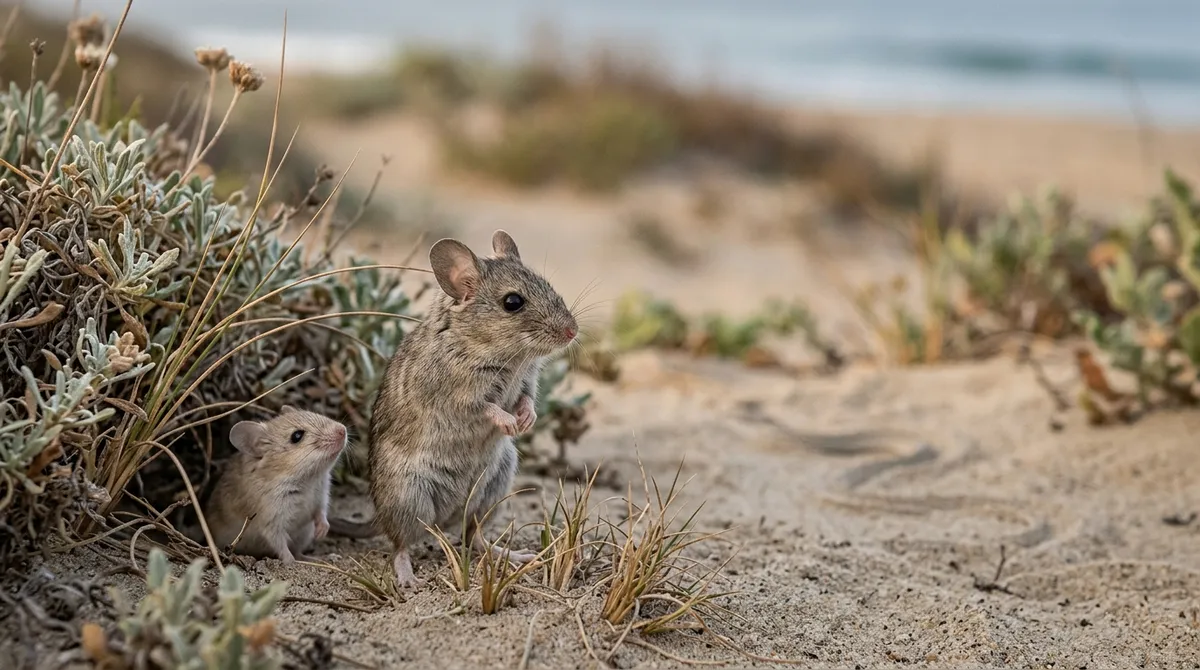
Researchers at San Diego Zoo Wildlife Alliance have made a groundbreaking discovery that could revolutionize how conservationists prepare endangered animals for release into the wild. Their study of Pacific pocket mice revealed that pregnant females trained to fear snakes can pass that learned fear response directly to their female offspring.
This represents the first documented evidence in an endangered mammal that maternal predator training can be inherited by the next generation, according to reports from the research team. The finding offers a potentially game-changing alternative to traditional conservation methods that require individual training of each animal before release.
The Challenge of Captive-Bred Animals
Endangered species reintroduction programs have long struggled with a fundamental problem: animals raised in captivity often lack the predator awareness necessary to survive in the wild. Conservationists typically raise young endangered species in safe captive environments before releasing them as adults into suitable habitats. While this approach ensures high survival rates to adulthood, it leaves animals vulnerable once they encounter natural predators.
Traditional solutions involve labor-intensive antipredator training for each individual animal before release. This approach, while effective, requires significant resources and time that conservation programs often lack.
A More Efficient Solution
The San Diego Zoo Wildlife Alliance study suggests a more scalable approach: training pregnant mothers instead of their offspring. When researchers trained pregnant Pacific pocket mice to fear snakes, their female offspring displayed increased vigilant behavior around predators without any direct training.
This "maternal inheritance" of learned fear could dramatically improve the efficiency of conservation breeding programs. Rather than training hundreds of individual animals, conservationists could focus their efforts on pregnant females, potentially achieving the same protective benefits across entire litters.
The Mystery of Sex-Specific Inheritance
One of the most intriguing aspects of the discovery is its sex-specific nature. According to the research, only female offspring inherited the fear response from their trained mothers. Male offspring showed no increased vigilance around predators, despite having mothers who underwent the same training.
This gender difference raises fascinating questions about how stress and behavioral inheritance work in mammals. The researchers are investigating three competing hypotheses for how this maternal learning transfers to offspring: prenatal hormone exposure, changes in maternal behavior after birth, or chemical odor cues passed from mother to offspring.
Critical Conservation Impact
The Pacific pocket mouse serves as a particularly urgent test case for this discovery. This species is critically endangered and on the brink of extinction, making every individual crucial for population recovery efforts.
The ability to efficiently prepare multiple animals for predator encounters through maternal training could significantly improve survival rates when these mice are released into their natural habitat. For a species with such a precarious population status, this efficiency gain could make the difference between successful reintroduction and continued decline.
Broader Implications for Wildlife Conservation
While the study focused specifically on Pacific pocket mice, the implications extend far beyond this single species. If this maternal inheritance mechanism exists in other endangered mammals, it could transform conservation breeding programs worldwide.
The research opens new avenues for understanding how learned behaviors pass between generations and whether this "lazy conservation" approach—as some researchers describe the efficiency of training mothers instead of offspring—could be applied to other species facing similar reintroduction challenges.
Future Research Directions
Scientists still don't fully understand the mechanism behind this behavioral inheritance. The three competing hypotheses—prenatal hormones, maternal behavior changes, and odor cues—each suggest different biological pathways that could be responsible for transferring learned fear from mother to daughter.
Unraveling this mystery will be crucial for determining whether the approach can be replicated across different species and environments. Understanding the biological basis could also help researchers optimize training protocols to maximize the inheritance effect.
For endangered species conservation, this discovery represents a rare piece of good news: a simple shift in training strategy that could scale up reintroduction programs while reducing costs and labor requirements, potentially improving outcomes for critically endangered species worldwide.