
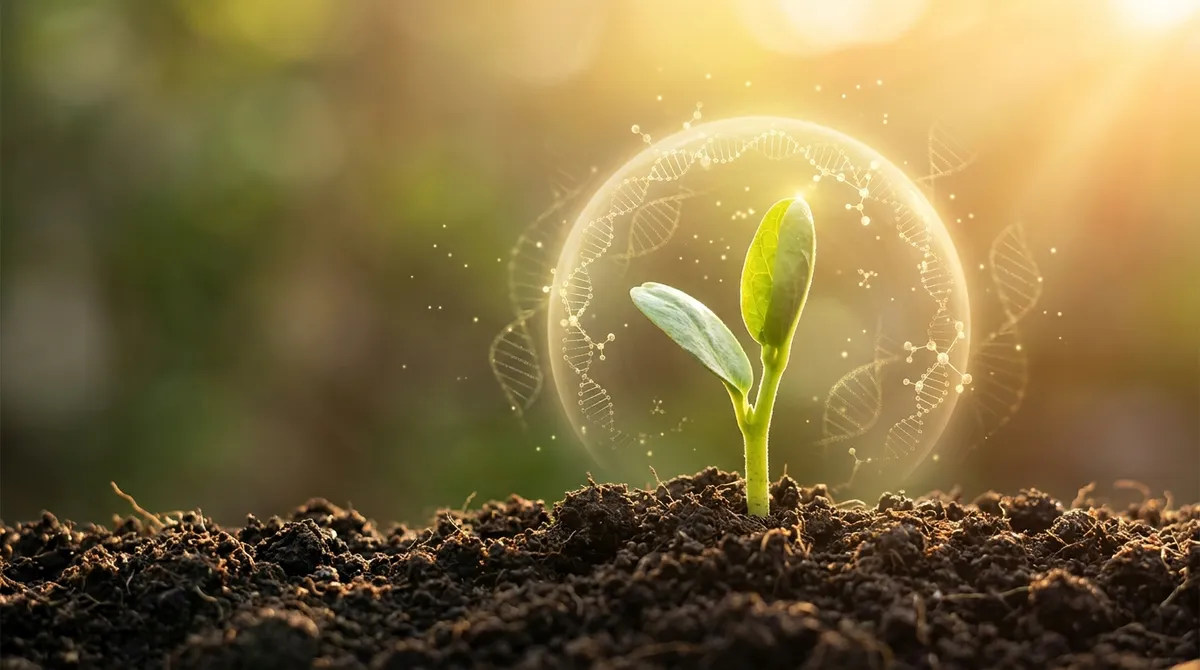
Plants Face a Daily DNA Crisis
Every day, plants experience a fundamental paradox: the sunlight they need to grow constantly damages the very DNA that keeps them alive. According to reports from the Salk Institute, scientists have now discovered how plants solve this critical survival challenge through a specialized protein that acts as an "extra layer of defense" for their most important cells.
Discovery of Plant's DNA Guardian
Researchers at the Salk Institute have identified a protein called YAF9B that plants activate specifically after DNA damage occurs. This protein serves as what scientists describe as a specialized "emergency responder" that operates exclusively in stem cell tissues—the growth-critical cells that plants cannot afford to lose.
The discovery reveals how YAF9B makes damaged DNA more accessible for high-fidelity repair mechanisms, ensuring that the plant's genetic blueprint remains intact even under constant environmental stress. This represents an evolutionary innovation that appears to be unique to plants, as animals and yeast lack this particular defense system.
The DNA Repair Dilemma
Plants must navigate between two competing DNA repair strategies, each with distinct advantages and risks. Fast repair methods can quickly patch damaged DNA but may introduce errors in the process. Slow repair methods are more accurate but leave cells vulnerable during the extended repair time.
According to the research, YAF9B helps tip the balance toward accuracy by promoting the slower but more reliable repair pathways specifically in stem cells. This selective protection ensures that the cells responsible for plant growth and development maintain their genetic integrity, even when other parts of the plant might tolerate less precise repairs.
Environmental Stress and Plant Survival
The constant bombardment of DNA damage comes from multiple environmental sources, with sunlight being a primary culprit. Similar to how DNA damage contributes to human diseases such as cancer, genetic disruption can severely impact growth, development, and survival in plants.
As climate pressures intensify globally, understanding how plants naturally protect their genetic material becomes increasingly crucial. The research suggests that plants have evolved sophisticated mechanisms to maintain genome stability while continuing to harness the same environmental factors that threaten their DNA.
Implications for Agricultural Innovation
The discovery of YAF9B's protective function could have significant implications for agricultural biotechnology. According to reports, this understanding could unlock better CRISPR gene-editing techniques, potentially making it easier to develop crops with enhanced traits while maintaining genetic stability.
The research also opens possibilities for creating more resilient crops that can better withstand environmental stresses. By understanding how plants naturally protect their most critical cells from DNA damage, scientists may be able to enhance these protective mechanisms in agricultural varieties.
A Unique Plant Innovation
What makes this discovery particularly significant is that the YAF9B protein system appears to be an evolutionary innovation specific to plants. While animals and yeast have their own DNA repair mechanisms, they lack this particular specialized response that plants have developed.
This suggests that plants have faced unique evolutionary pressures that required them to develop additional layers of genetic protection beyond what other organisms possess. The ability to simultaneously harness sunlight for energy while protecting against its DNA-damaging effects represents a remarkable biological achievement.
Looking Forward
The research provides new insights into the fundamental strategies that allow plants to thrive despite constant genetic challenges. As scientists continue to study how YAF9B and similar proteins function, this knowledge could inform the development of more robust agricultural systems and improved genetic engineering techniques.
For the plant kingdom, this discovery illuminates yet another sophisticated survival mechanism that has allowed vegetation to colonize environments where DNA damage is an unavoidable daily reality. Understanding these natural solutions may prove crucial as we work to develop crops capable of thriving in an increasingly challenging climate.