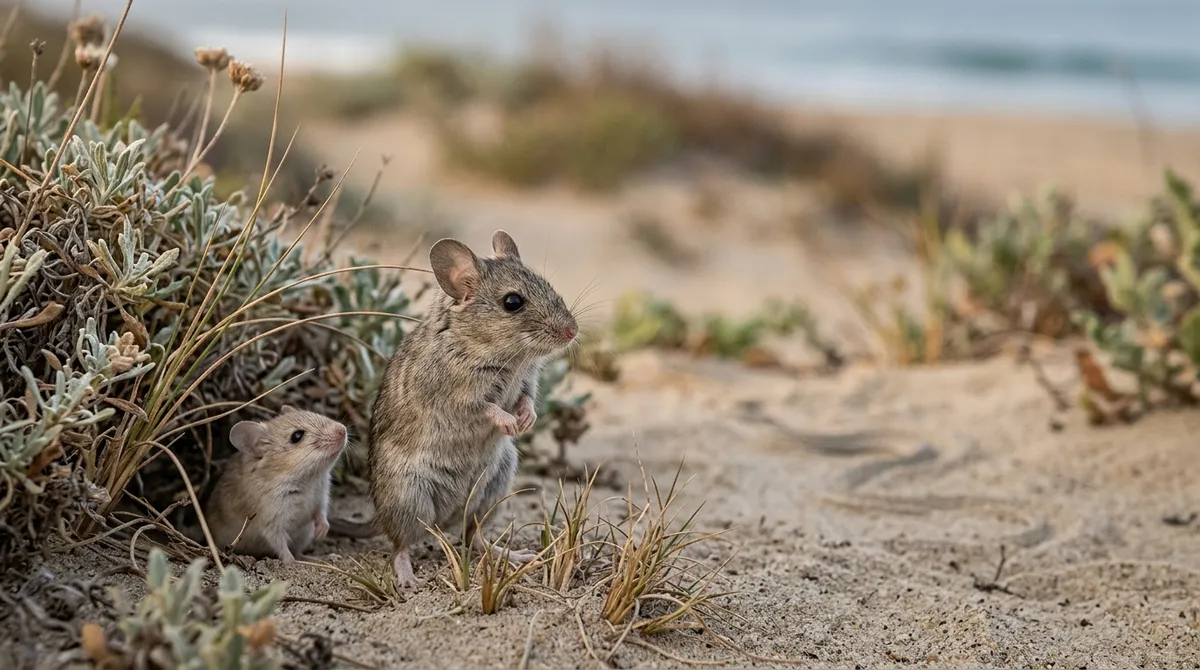
Pregnant Mice Pass Snake Fear to Daughters, Conservation Study Finds
Scientists discover that pregnant Pacific pocket mice can pass learned predator fear to female offspring, offering new hope for endangered species...

Scientists discover that pregnant Pacific pocket mice can pass learned predator fear to female offspring, offering new hope for endangered species...
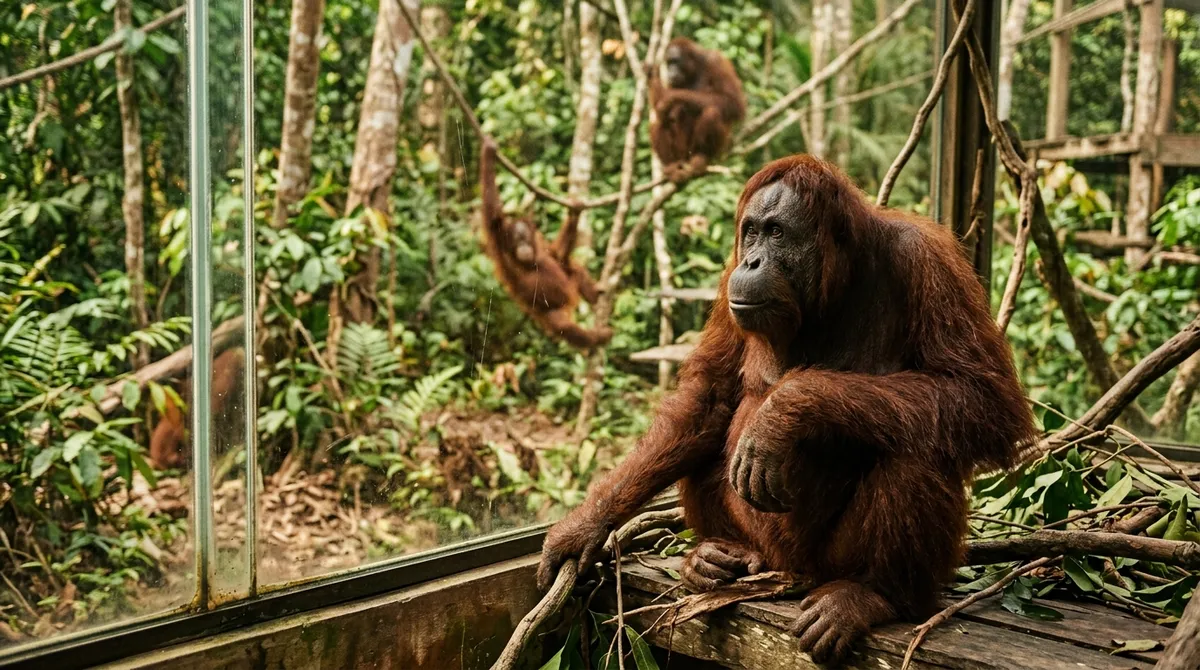
Two decades of research reveal great apes prioritize social gossip over food rewards and update beliefs like humans, challenging assumptions about primate...
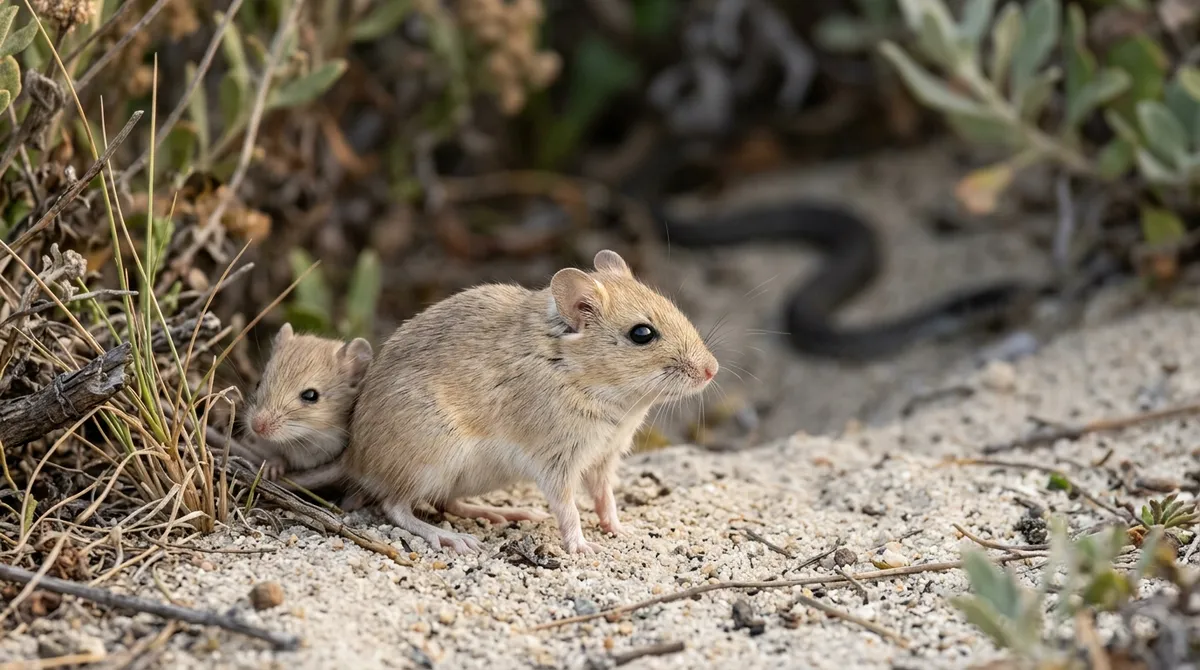
Scientists discover pregnant Pacific pocket mice can transfer snake fear to daughters, offering new hope for endangered species conservation programs.
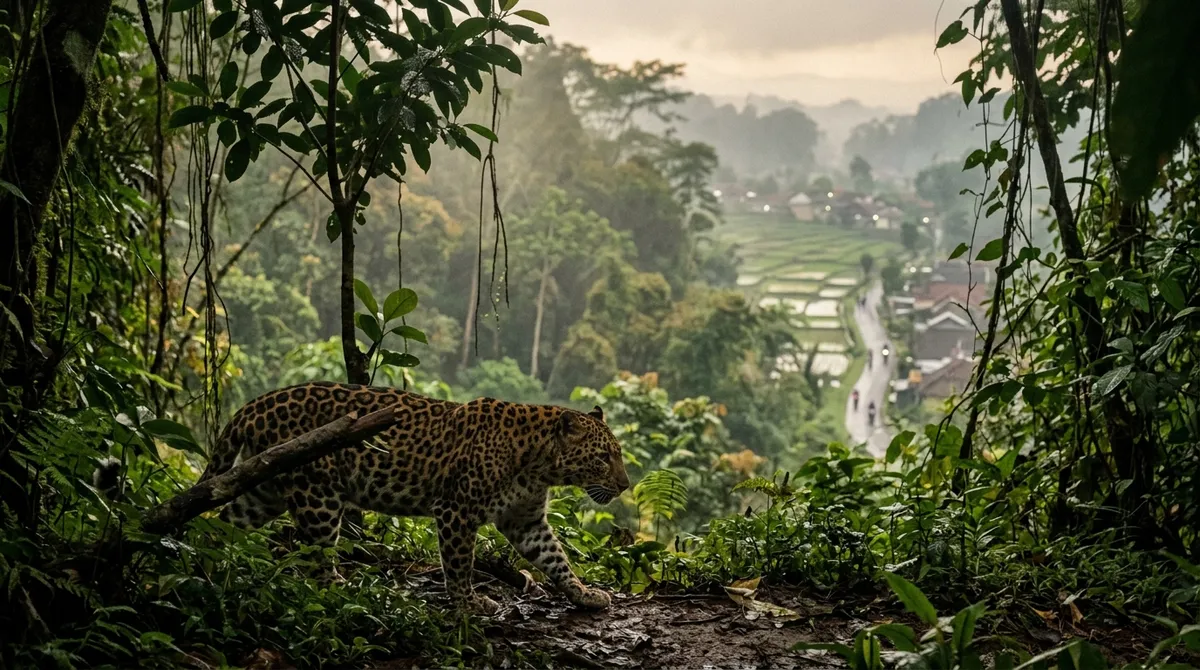
New research reveals how fewer than 350 Javan leopards survive on one of Earth's most densely populated islands by adapting to regenerating forests and diverse...

First skeletal evidence of interpersonal violence in a Langobard woman reveals gaps in how we understand ancient gender roles and conflict.
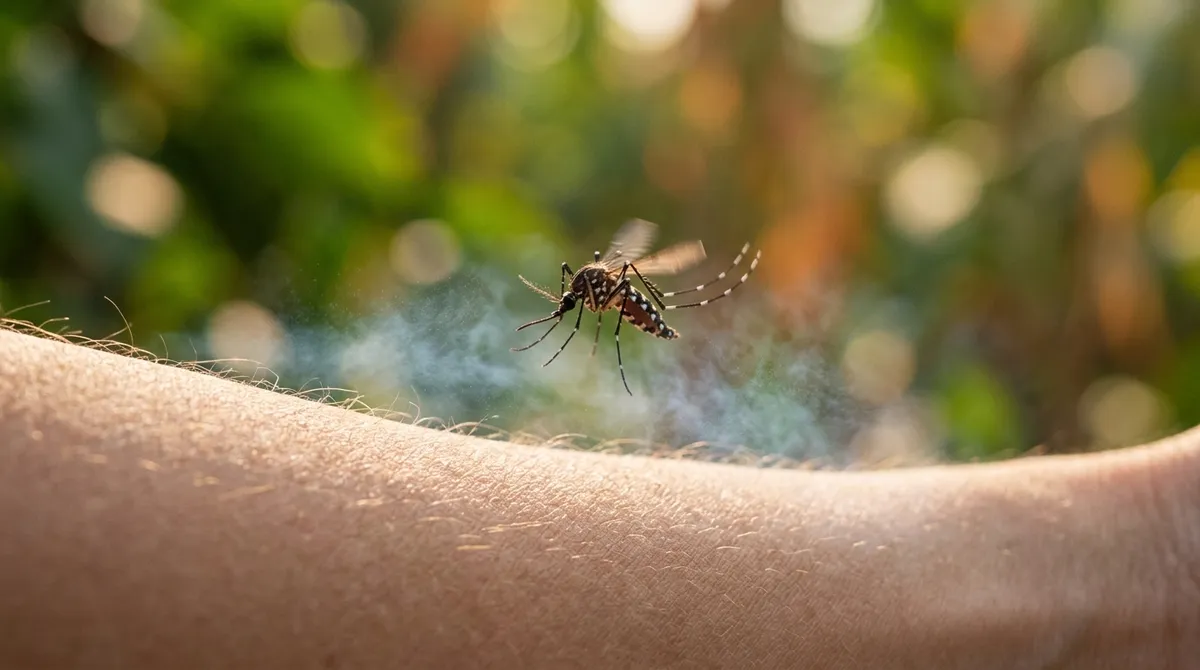
New research reveals Aedes aegypti mosquitoes can develop attraction to DEET-treated skin when repellent levels fade, highlighting the importance of regular...
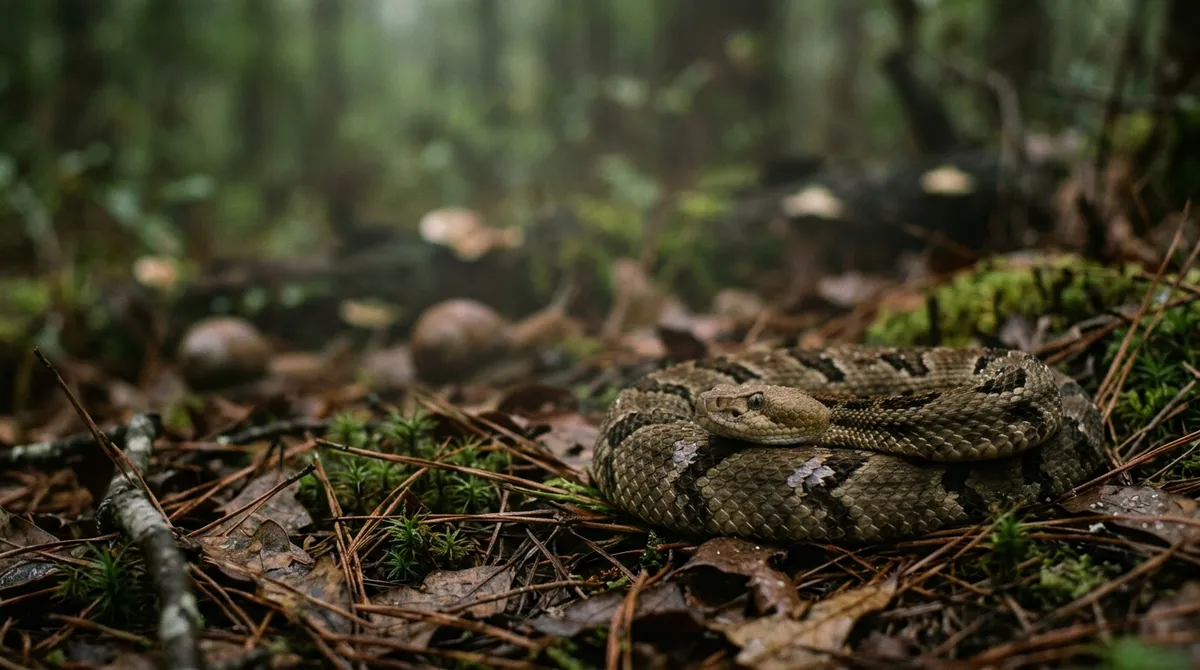
New research reveals rattlesnakes are particularly vulnerable to snake fungal disease and invasive parasitic lungworms, highlighting disease as an...
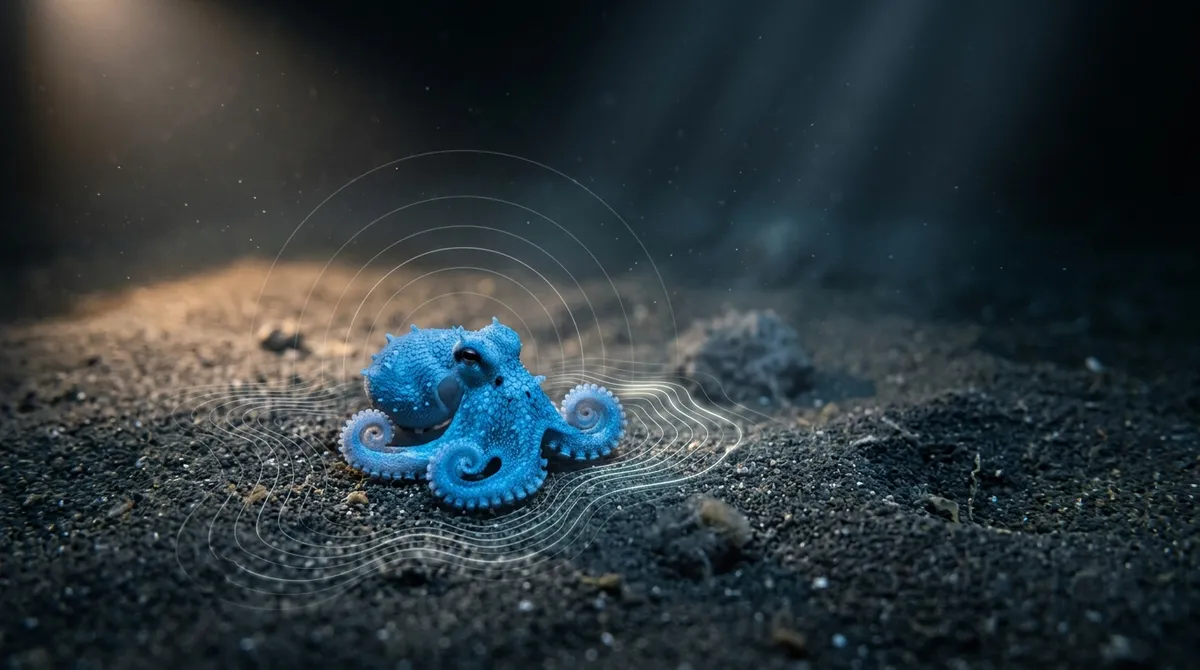
Scientists use non-destructive CT scanning to identify new octopus species found 5,800 feet deep near Darwin Island, revealing how technology advances marine...
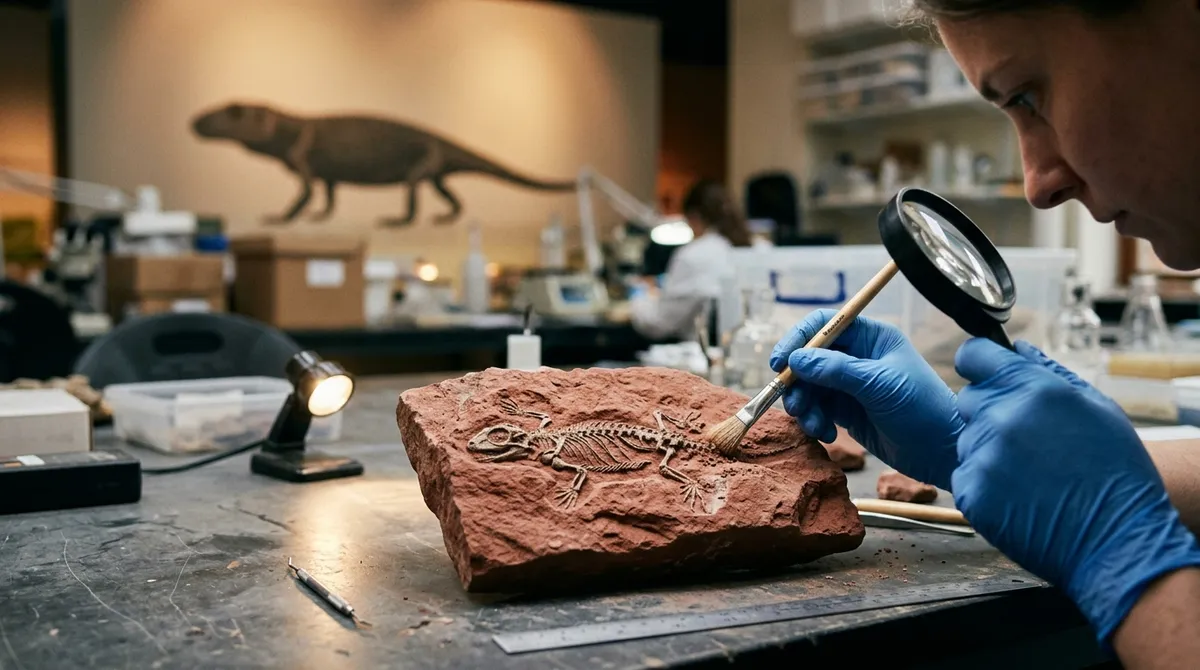
A 290-million-year-old fossilized cloaca has been discovered, providing insights into ancient reptilian anatomy and evolution. This rare find from the species Captorhinus helps scientists understand physiological functions and evolutionary lineage of early reptiles, shedding light on modern descendants.
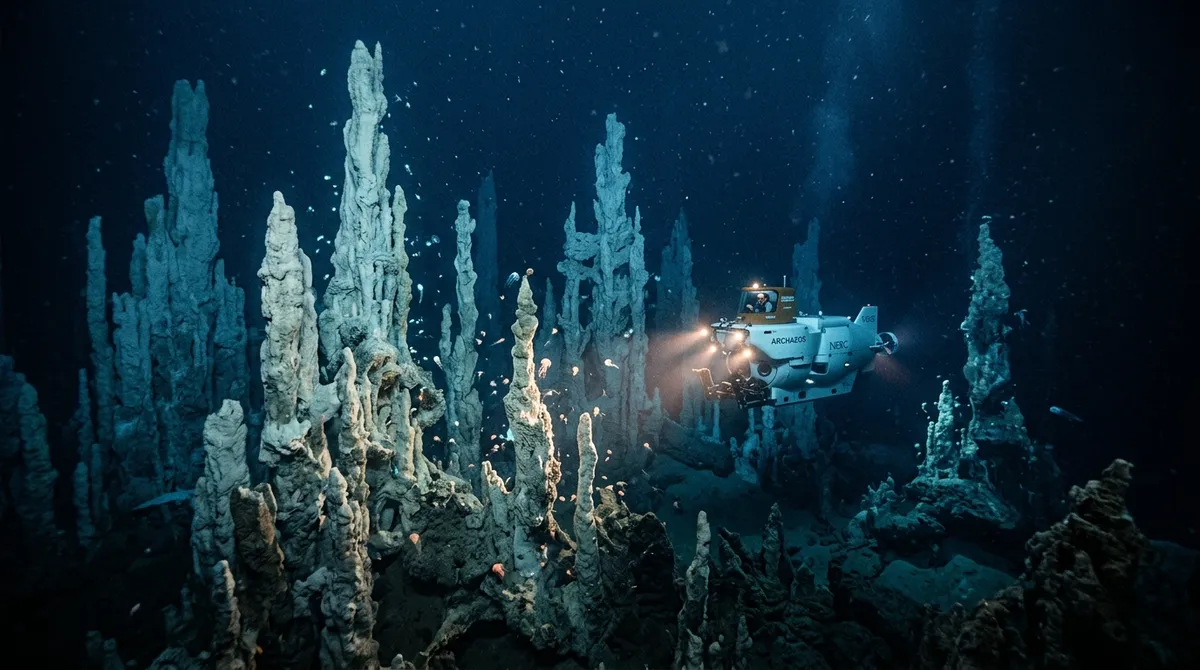
Scientists have discovered a "lost city" deep in the ocean, featuring unique geological formations and ecosystems. This site offers insights into Earth's history and potential extraterrestrial life, highlighting the need for preservation and further research into these underwater wonders.

Recent research reveals that contraception use may increase lifespan in certain mammals by up to 10%, with findings that could impact wildlife management and deepen our understanding of the biological trade-offs between reproduction and longevity.
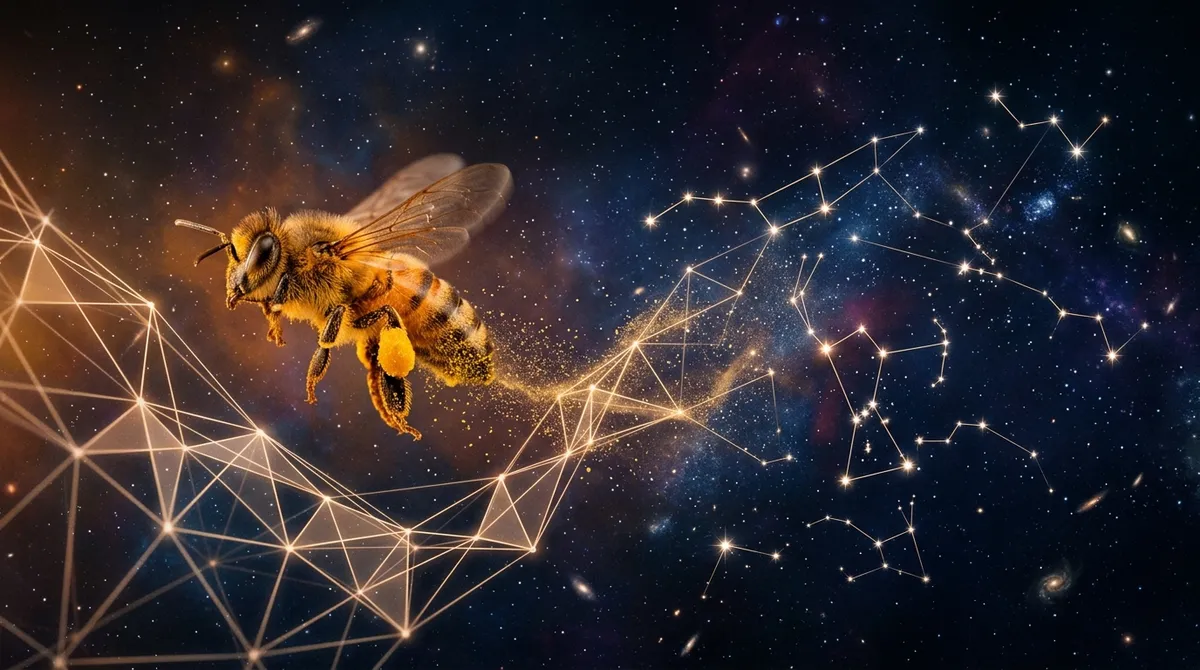
The study of bee communication using mathematical principles offers insights into potential methods for interstellar dialogue with extraterrestrial civilizations, suggesting that mathematics could serve as a universal language bridging the cosmic divide across vast distances.