Mosquitoes Show Surprising Learning Ability
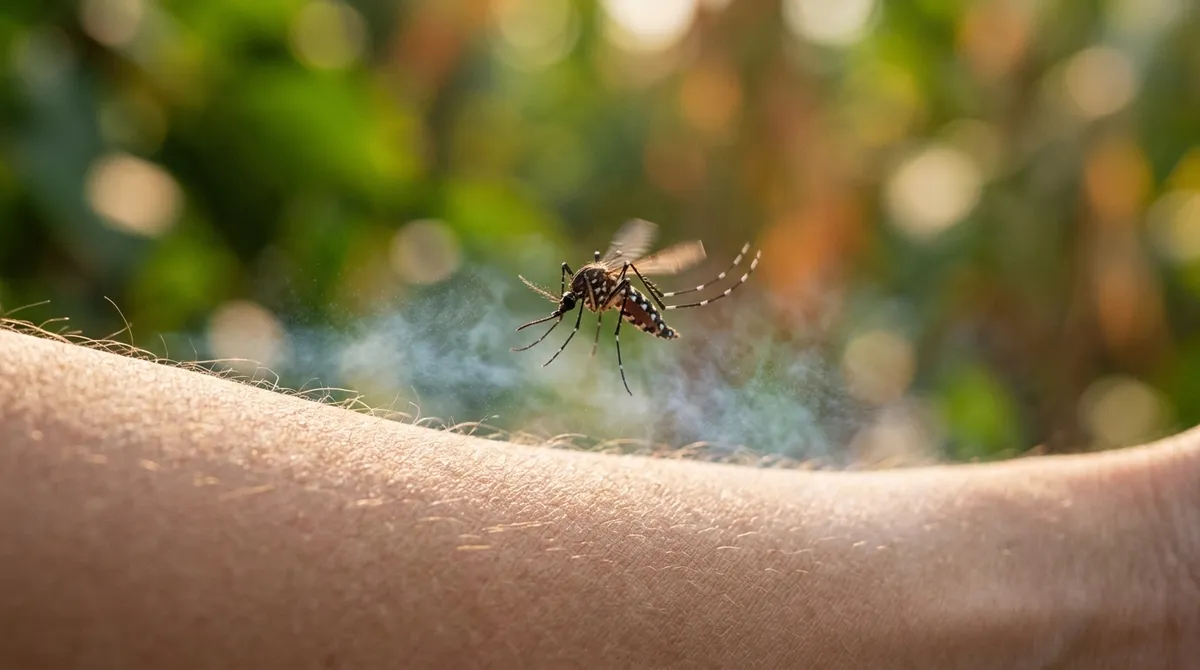
A groundbreaking study has revealed that Aedes aegypti mosquitoes can learn to associate the smell of DEET with feeding opportunities, potentially making trained mosquitoes more likely to approach DEET-treated skin under certain conditions.
The research focuses on how these disease-carrying mosquitoes respond to DEET, the most widely used insect repellent worldwide. According to reports, the study found that mosquitoes can develop behavioral associations between the chemical and successful feeding experiences.
DEET Still Effective When Used Properly
Before panic sets in among summer travelers and outdoor enthusiasts, researchers emphasize that this doesn't mean DEET has stopped working as a repellent. The key finding relates to what happens when repellent levels fade on human skin over time.
The study highlights that mosquitoes showed increased attraction to DEET-treated areas specifically when concentrations dropped to low levels. This behavioral adaptation occurs because mosquitoes can learn to connect the lingering scent of DEET with successful feeding opportunities from previous encounters.
Why This Research Matters Now
With mosquito-borne diseases remaining a major global health threat, understanding repellent effectiveness has never been more critical. Growing mosquito populations and increasing concerns about insecticide resistance make this research particularly timely.
As more people travel to or live in mosquito-heavy regions, real-world repellent performance becomes increasingly important for public health protection. The findings underscore gaps between laboratory testing conditions and how repellents perform in everyday use.
The Importance of Regular Reapplication
The study's most practical implication centers on reapplication frequency. According to reports, consistent reapplication may be crucial as repellent levels naturally fade throughout the day.
This research supports following manufacturer guidelines for reapplication timing rather than relying on personal judgment about when protection might be wearing off. The mosquitoes' learning ability means that even trace amounts of DEET could potentially signal feeding opportunities to experienced insects.
Mosquito Intelligence Underestimated
The findings add to growing evidence that mosquitoes possess more sophisticated behavioral capabilities than previously understood. Their ability to form associations between chemical cues and feeding success demonstrates adaptive learning that could influence repellent strategies.
This mosquito intelligence has implications beyond DEET effectiveness, potentially affecting how researchers approach repellent development and application recommendations in the future.
Practical Implications for Protection
While the research reveals interesting mosquito behavior, it reinforces rather than contradicts existing repellent best practices. Regular reapplication remains the cornerstone of effective protection, especially during extended outdoor activities.
The study particularly emphasizes the importance of maintaining adequate repellent concentrations on exposed skin throughout periods of potential mosquito exposure. This becomes especially critical in tropical destinations and during peak mosquito activity periods.
Moving Forward with Mosquito Control
As mosquito-borne diseases continue posing global health challenges, this research contributes valuable insights into repellent effectiveness under real-world conditions. Understanding mosquito learning behavior could inform future repellent formulations and application strategies.
The findings suggest that effective mosquito protection requires more than just initial repellent application—it demands consistent maintenance of protective barriers through regular reapplication as manufacturer guidelines recommend.