Climate Change Pushes Baltic Sea Birds to Breaking Point
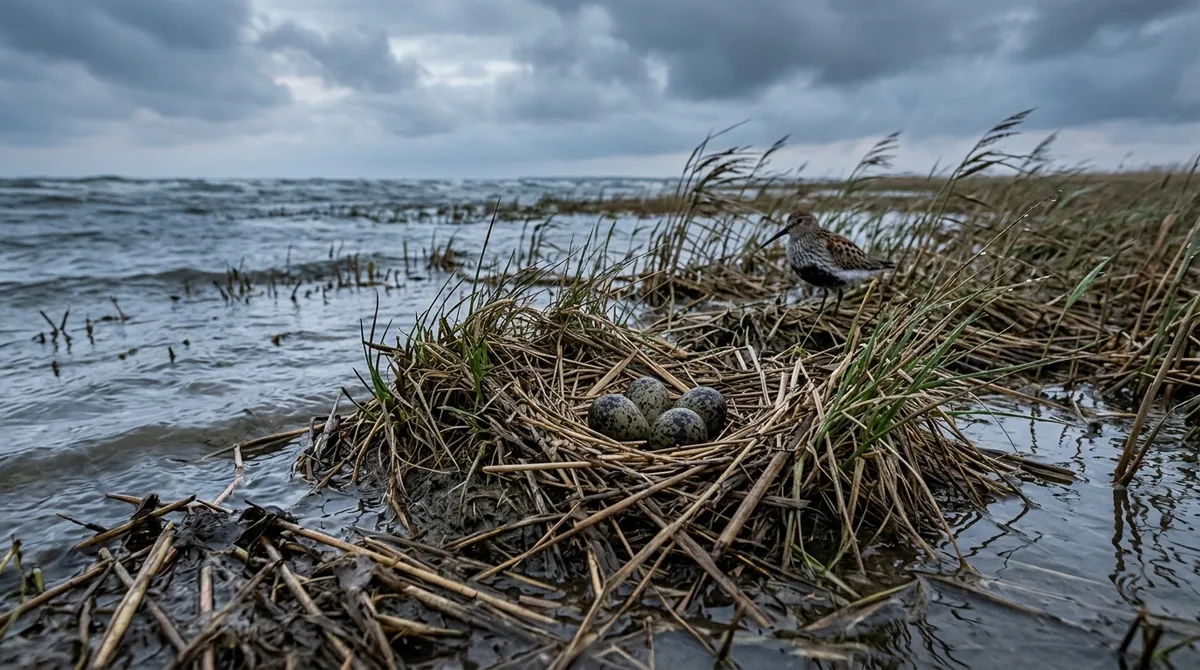
Ground-nesting wader birds along the Baltic Sea are facing an unprecedented crisis as climate change intensifies storm-driven flooding during their critical breeding season. Finnish researchers have identified a specific tipping point that spells disaster for species like ruffs and southern dunlins: when sea levels rise 40 centimeters above average, nest losses spike dramatically.
The timing couldn't be worse. As wader breeding season gets underway, these birds are confronting flood events that now occur several times more frequently than they did in the 1970s. Some species face extinction if current population declines continue unchecked.
The 40-Centimeter Threshold
According to reports, the research has pinpointed a critical measurement that serves as an early warning system for conservationists. When storm surges push Baltic Sea levels 40cm above normal, the flooding becomes devastating for ground-nesting birds that have few alternatives for safe nesting sites.
This represents a measurable climate tipping point in action—a concrete example of how rising seas and intensifying storms translate into real-world consequences for wildlife populations.
Artificial Incubation as Emergency Measure
Faced with this escalating threat, researchers have been testing artificial egg incubation as an emergency conservation strategy. However, this innovative approach comes with significant limitations and has been characterized as a labor-intensive workaround rather than a long-term solution.
The artificial incubation process requires careful monitoring and specialized equipment, making it impractical for widespread implementation. While it may help preserve some populations in the short term, experts emphasize that habitat management remains the real solution to the crisis.
The Paradox of Nowhere Else to Go
The situation highlights a troubling paradox in wildlife conservation: these birds continue nesting in increasingly flood-prone zones because it's their only remaining habitat. Decades of coastal development and land-use changes have eliminated safer alternative nesting sites, forcing waders into areas that are becoming more dangerous each year.
This represents a broader pattern of habitat loss that leaves migratory species with impossible choices. As climate change accelerates, the birds find themselves trapped between rising seas and disappearing inland options.
Shared Responsibility for Migratory Species
The Baltic Sea wader crisis underscores the complex challenges of protecting migratory species that cross multiple national boundaries. These birds don't recognize political borders, making their conservation a shared responsibility among Baltic nations.
Successful protection efforts will require coordinated international action, from habitat preservation to climate mitigation strategies. The research suggests that current land-use planning has failed to account for the needs of these vulnerable populations.
Beyond Band-Aid Solutions
While artificial incubation represents conservation innovation at work, researchers emphasize the need to address root causes rather than relying on emergency interventions. The labor-intensive nature of egg rescue operations makes clear that this approach cannot scale to protect entire populations.
Instead, the focus must shift to systemic solutions: better coastal habitat management, climate change mitigation, and land-use planning that accounts for both rising seas and wildlife needs. The 40-centimeter threshold provides a concrete target for flood management and early warning systems.
Looking Ahead
The Baltic Sea research offers both sobering warnings and practical insights for conservation efforts worldwide. As climate change continues to intensify extreme weather events, similar tipping points likely exist for vulnerable species in coastal regions globally.
The work demonstrates how scientists are developing precise measurements and emergency protocols to help species survive climate change impacts. However, it also makes clear that long-term success depends on addressing the underlying drivers of habitat loss and sea level rise.
For Baltic Sea waders, the coming breeding seasons will test whether emergency conservation measures can buy enough time for larger habitat management solutions to take effect.