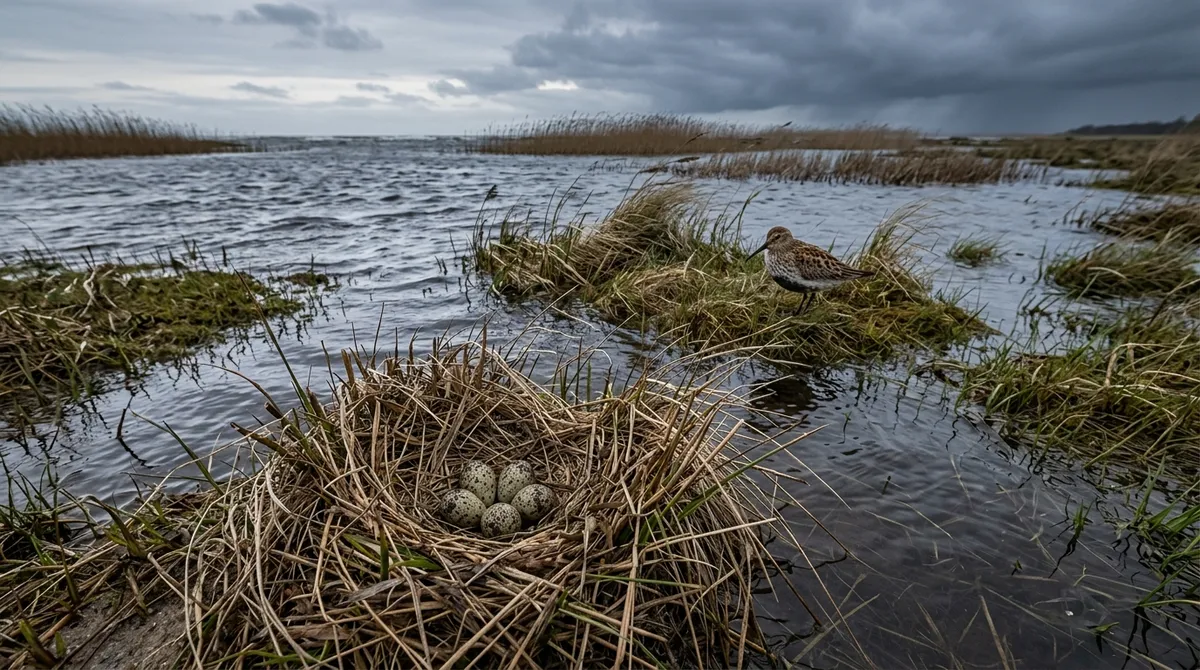
Rising storm floods due to climate change are devastating ground-nesting wader populations along the Baltic Sea. While researchers test artificial egg incubation as a last resort, the real solution lies in better habitat management.
Introduction
Imagine watching a mother wader bird diligently caring for her nest, only to have the floodwaters rise swiftly around her, threatening her future offspring. This heartbreaking scenario is becoming more common along the Baltic Sea, where climate change is dramatically altering the landscape. Not only are rising seas a threat to coastal habitats, but they are pushing bird species like ruffs and southern dunlins to their breaking point. Let's dive into the details of this critical environmental issue and discuss how we might save these struggling bird populations.
The Impact of Climate Change on Wader Nests
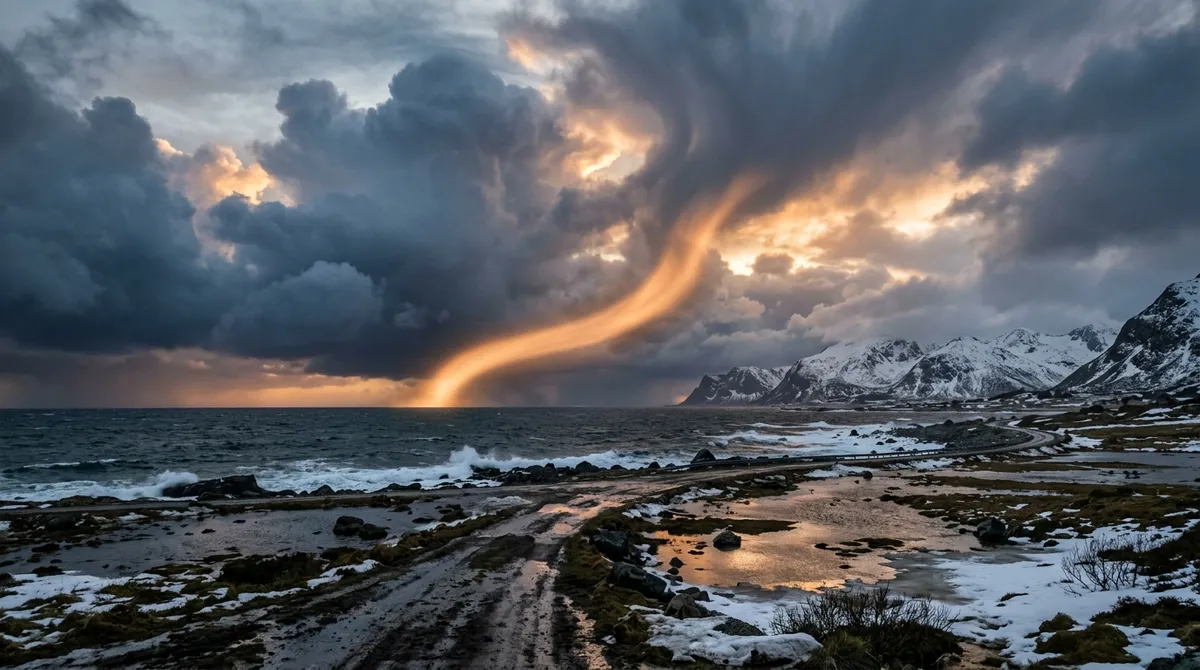
As global temperatures continue to rise, storms have become more frequent and severe, leading to devastating flooding events. Researchers in Finland have pinpointed a crucial tipping point: when sea levels rise 40 centimeters above average, the loss of wader nests skyrockets. In fact, flood events now happen several times more frequently than they did in the 1970s, and for ground-nesting birds, this spells disaster.
An Unforgiving Breeding Season
The wader breeding season runs from late spring to early summer, a time when these birds depend on stable conditions to raise their young. Unfortunately, due to climate change, flooding has become a constant threat during this sensitive period. If current trends continue, some wader species could face extinction in the not-so-distant future. The rapid environmental changes are shaking the foundations of biodiversity.
Creative Solutions: Artificial Incubation
In a bid to save these species, scientists have turned to artificial egg incubation as an emergency stopgap. However, this is no simple fix. While artificial incubation can protect a portion of the eggs from floodwaters, it requires extensive labor and resources. Moreover, it doesn't address the root cause of the problem: habitat loss and climate-induced changes.
Why Artificial Incubation Should Be the Last Resort
While artificial incubation may sound like a beacon of hope, it's critical to understand its limitations. Nesting success for ground-nesting birds heavily relies on their natural habitat and behaviors. Relocating eggs or using incubators can lead to complications that disrupt natural cycles and do not guarantee survival for the chicks once they hatch. Furthermore, over-reliance on artificial methods may detract from essential conservation efforts aimed at habitat management. Nature thrives when left to its own devices, and we must aim to bolster these natural systems, not just patch them up.
Addressing Habitat Loss: The Real Solution
So, what can be done to truly protect ground-nesting waders? The answer lies in effective habitat management, focusing on sustainable land use that considers both human and wildlife needs. This can include restoring wetlands, implementing better land-use planning strategies, and creating buffer zones to protect fragile coastal environments from the impacts of storm-driven flooding.
Shared Responsibility
It's essential to remember that the plight of migratory bird species is not just a localized issue—it's a shared responsibility that transcends borders. Collaborating with local governments, conservation organizations, and communities residing along migratory routes is crucial to ensure comprehensive protection for these birds. Every action counts, whether it’s planting native vegetation, reducing pollutants, or advocating for climate-friendly policies.
Conclusion
The story of wader bird nests serves as a reminder of how climate change is altering ecosystems with real, measurable consequences. With rising floodwaters threatening their habitats, these birds are caught in a precarious situation. While artificial incubation remains an option, it should only be seen as a temporary measure—not a solution. By advocating for better habitat management and acknowledging our shared responsibility, we can work towards preserving the future of these vulnerable species. Together, our efforts can create a safer world for waders, one where their nests are no longer at the mercy of rising tides.
In facing the ongoing environmental crisis, every small act of conservation can have a ripple effect—and it might just save a species from extinction.