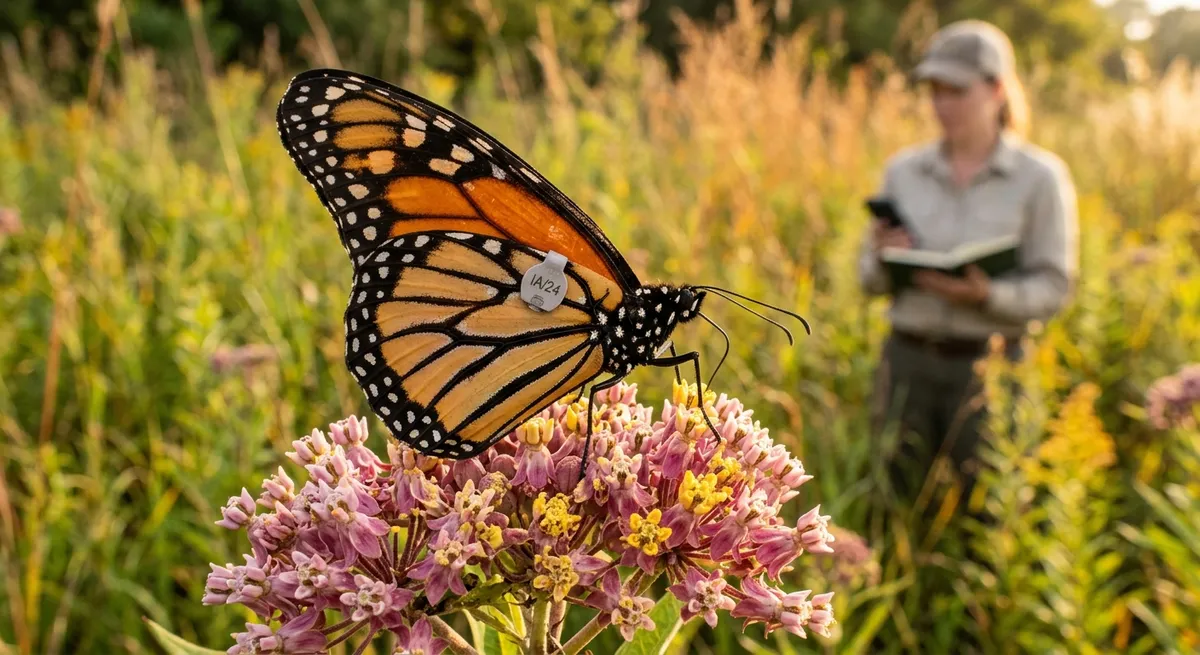
Every fall, monarch butterflies embark on a remarkable journey from North America to Mexico, seeking warmer climates for the winter. This extraordinary migration, however, faces increasing challenges due to declining populations. In an innovative approach, Iowa State University researchers are utilizing Bluetooth-enabled BlūMorpho tracking tags—the lightest available—to monitor 100 of these butterflies on their fall flights. This groundbreaking research aims to fill critical gaps in our understanding of their migration pathways and the effects of weather on their journey.
Understanding the Monarch Migration Pathways
As one of the most recognized migratory species, monarch butterflies have seen their populations drop by as much as 80% in the eastern North American region. With Iowa serving as a pivotal location for their migration, researchers are focusing on understanding the specific routes monarchs take and the factors affecting their navigation.
The use of lightweight tracking technology like the BlūMorpho tags allows scientists to observe these butterflies in real time as they traverse diverse environments, helping to illuminate the mysteries behind their migration patterns. By comparing monarchs raised under various conditions with wild-caught ones, this study seeks to determine the impacts of rearing practices on their survival and ability to navigate effectively.
The Importance of Weather Insights
Weather plays a significant role in the success of the monarch’s migration. From temperature changes to wind patterns, various environmental factors can impact the butterflies’ flight paths and timings. Researchers are not only keen on tracking the physical routes taken by these butterflies but are also looking to assess how different weather conditions influence their eight-week journey southward. By gathering this data, the study may help to inform sustainable habitat restoration efforts crucial for the survival of this iconic species.
Iowa's Role in Monarch Conservation
Iowa has emerged as an essential player in monarch conservation, with more than 690,000 acres of habitat for these insects established since 2015. This extensive effort highlights the state's contributions to maintaining and restoring populations of monarchs, which is vital for the future of the species. The tracking project aligns with these conservation initiatives by supplying data that can guide effective management and restoration of habitats vital for monarchs.
Citizen Involvement: The Project Monarch App
One notable aspect of this research is the opportunity for the public to participate in monarch butterfly conservation. The Project Monarch app invites everyday individuals to engage in tracking and documenting butterfly sightings, contributing valuable data for research. This citizen science initiative empowers people to play a role in the conservation of monarchs, illustrating how technology can foster community involvement in ecological efforts.
Conclusion
The integration of Bluetooth-enabled tracking tags in monitoring monarch butterfly migration signifies a pivotal advancement in conservation science. By uncovering vital insights into their migratory patterns and the myriad factors influencing them, researchers hope to turn the tide for a species that has become an emblem of environmental change. This groundbreaking study in Iowa could ultimately provide the knowledge needed to shape effective conservation efforts, ensuring that future generations will still observe and admire the migratory majesty of the monarch butterfly.