Marine heat waves (MHWs) are much more than just an occasional spike in temperature; they are continuous warm periods that can severely impact marine ecosystems. Recent research highlights that traditional assessments of these phenomena might be significantly underestimating their effects. Based on data from 20 U.S. estuaries, scientists assert that the cumulative heat exposure could be underestimated by over 150%. This new perspective reshapes our understanding of the dangers these fluctuations pose.
What Are Marine Heat Waves?
Marine heat waves are defined as periods where sea surface temperatures rise significantly above normal levels for extended stretches of time. Typical assessments generally consider these as isolated events. However, scientists now suggest that they should be viewed as part of longer warm-water periods that begin before and extend after the officially recognized MHW.
The Hidden Heat
One critical insight from the new study is the notion of "hidden heat." This term refers to the temperatures that occur before and after the officially recognized marine heat wave period. Just like your skin can suffer from prolonged sun exposure even when it isn't actively burning, marine organisms experience cumulative stress throughout longer warm spells. The research indicates that the duration of exposure can be just as damaging as the intensity of the heat.
Threats to Ecosystems
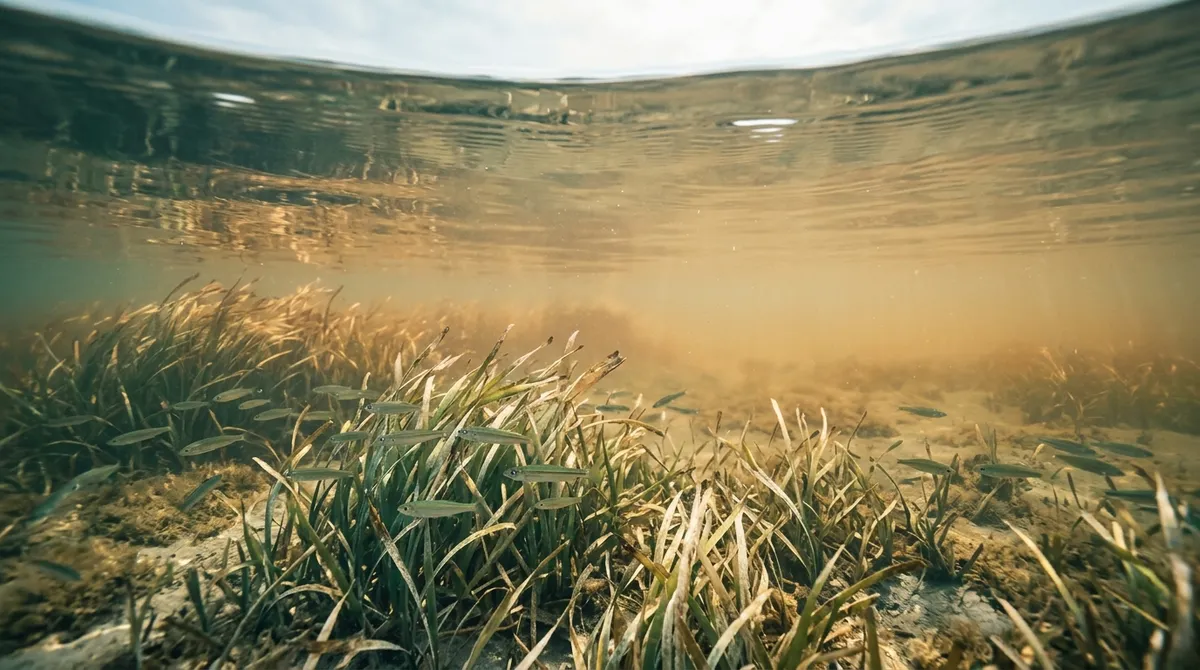
These extended periods of warmth can be devastating. Coastal ecosystems such as seagrass beds, coral reefs, and fisheries are particularly vulnerable. For example, seagrass often takes time to recover from temperature stresses, which means prolonged exposure to heat can hinder its health and growth. Similarly, coral reefs are suffering from bleaching events driven by elevated temperatures, impacting biodiversity and local fishing economies.
Fisheries also face challenges as rising temperatures can alter fish spawning patterns and migration, leading to potential declines in fish stocks. Indeed, local communities that rely on these fisheries could feel the impact as changes in availability threaten both livelihoods and food security.
Why This Matters Now
With marine heat waves becoming more frequent and intense due to climate change, understanding their full impact is crucial. This research comes at a time when scientists and resource managers are increasingly focused on improving predictive models to assess ecological damage.
Predictive models that incorporate the accumulated effects of hidden heat can enhance management strategies, enabling better preparedness for the coming effects of climate change on marine environments.
Conclusion: Rethinking Our Approach
The findings from this research force a necessary re-examination of how marine heat waves are studied and managed. Instead of viewing them as isolated incidents, considering their broader implications will help protect fragile marine ecosystems and the communities that depend on them. As you reflect on the ocean's health, remember: it’s not just about how hot the water gets, but how long the exposure lasts. Advocating for awareness and acting on climate change can contribute to a healthier and more resilient oceans for the future.