
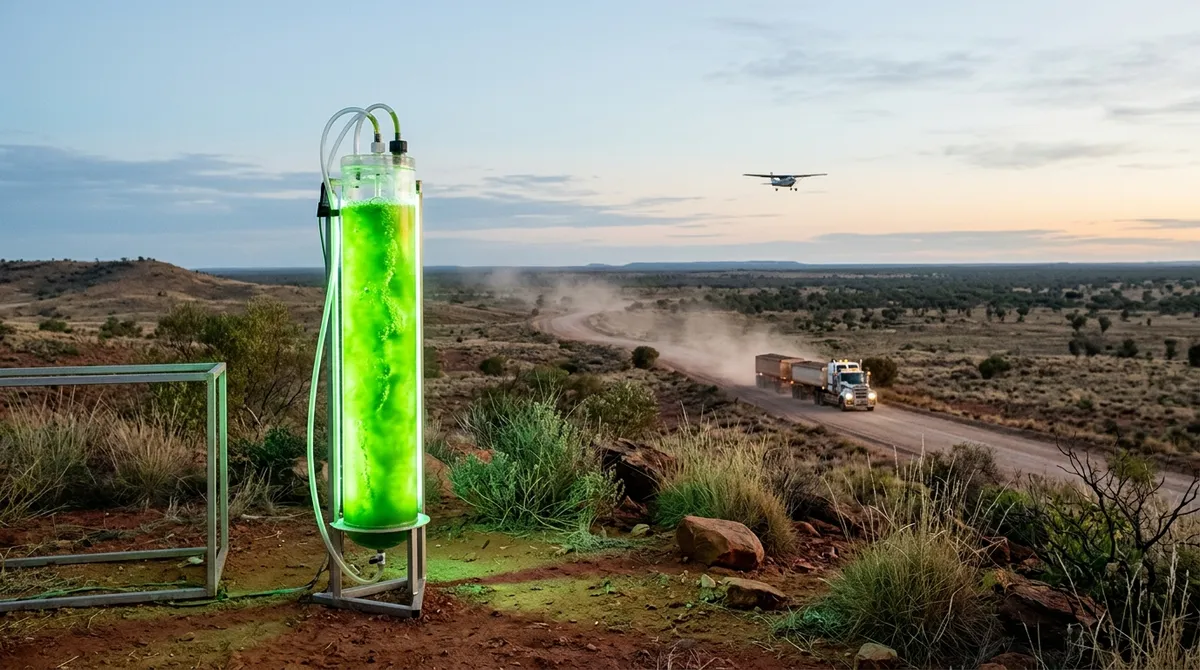
Australia's Fuel Security Challenge
Australia faces a growing energy security concern that has been thrust into the spotlight by recent global events. According to reports, the country imports almost 80% of its liquid fuels, making it vulnerable to supply disruptions that could have immediate and widespread consequences. This heavy dependence on imported diesel and aviation fuel has renewed focus on domestic alternatives, particularly as governments and industries face mounting pressure to reduce emissions and scale up low-carbon fuel options.
The Promise of Algae-Based Biofuels
While many biofuel initiatives have struggled to deliver on their initial promises, algae-based biofuels are emerging as a potentially viable solution for Australia's clean energy needs. Unlike previous biofuel attempts, algae offers several distinct advantages that could make it a game-changer in the quest for sustainable fuel production.
According to reports, algae demonstrates superior land efficiency compared to traditional crop-based biofuels. This efficiency advantage addresses one of the major criticisms of first-generation biofuels, which often competed with food crops for valuable agricultural land. Algae cultivation can utilize wastewater and doesn't require the same agricultural resources as corn or other crop-based alternatives.
Why Algae May Succeed Where Others Failed
The article suggests that algae biofuels represent a "quiet climate tech" solution that, while less flashy than electric vehicles, could prove vital for sectors that are difficult to electrify. Trucks, planes, farms, mines, and remote communities all rely heavily on liquid fuels and may benefit significantly from algae-derived alternatives.
One of the key advantages of algae-based fuels is their compatibility with existing fuel systems. This means that the transition to algae biofuels wouldn't require the massive infrastructure overhaul that many other alternative fuel technologies demand. The fuels can potentially work with current engines and distribution networks, making adoption more practical and cost-effective.
Aviation Fuel Applications
Sustainable aviation fuel represents one of the most promising applications for algae-based biofuels. The aviation industry faces unique challenges in decarbonization, as electric alternatives are not yet viable for long-haul flights. Algae-derived aviation fuel could provide a pathway to reducing the carbon footprint of air travel without requiring new aircraft designs or airport infrastructure modifications.
Regional Australia as a Testing Ground
Reports suggest that regional Australia could serve as an ideal test bed for algae fuel technology. These areas often have abundant land resources, access to wastewater for cultivation, and existing industrial infrastructure that could support algae processing facilities. Additionally, regional communities often rely heavily on diesel for power generation, mining operations, and agricultural activities, making them natural early adopters of alternative fuel sources.
Comparing Algae to Traditional Biofuels
The land, food, and emissions trade-offs between algae and corn-based biofuels present a compelling case for the marine organisms. Traditional crop-based biofuels have faced criticism for potentially driving up food prices and requiring significant agricultural inputs. Algae cultivation sidesteps many of these concerns by growing in controlled environments and utilizing waste streams that would otherwise require treatment.
The Climate Tech Comeback
Algae biofuels represent what could be characterized as a comeback story in the climate technology sector. After early enthusiasm for biofuels waned due to technical challenges and economic constraints, advances in algae cultivation and processing technologies have renewed interest in this approach. The combination of improved efficiency, reduced land requirements, and compatibility with existing infrastructure positions algae as a more mature and practical solution than previous attempts.
Looking Forward
As Australia grapples with the dual challenges of energy security and climate commitments, algae-based biofuels offer a potential pathway forward. The technology addresses critical gaps in the clean energy transition, particularly for heavy industry, aviation, and remote communities where electrification faces significant barriers.
While the success of algae biofuels is not guaranteed, the convergence of technological advances, policy pressure, and market demand creates a more favorable environment than existed for earlier biofuel initiatives. For Australia, developing domestic algae fuel capacity could simultaneously enhance energy security and advance climate goals, making it a strategic priority worth pursuing.