

November 2, 2026
The Phantom Lighthouse: Why Your Brain Sees Beams That Aren't There
New research explains the phantom lighthouse illusion on Australia's Lady Elliot Island, and what it reveals about how your brain fills in gaps in the dark.

Making space, nature and physics feel close to home
Emre Yıldırım writes about space, nature and physics for readers who love big ideas but don't want to wade through jargon to reach them. He covers new discoveries across the cosmos, shifts in climate and ecosystems, and the technology that helps us see both more clearly. His approach is simple: start with the question a curious friend would ask, then follow the evidence wherever it leads. He likes comparisons that make enormous scales feel familiar, and he's careful to separate what scientists have actually found from what is still educated guesswork. Expect clear explanations, a conversational voice and a little wonder in every piece.
November 2, 2026
New research explains the phantom lighthouse illusion on Australia's Lady Elliot Island, and what it reveals about how your brain fills in gaps in the dark.

November 2, 2026
After a vivid Halloween aurora, the Northern Lights may show again across the UK. Here is where to look, what clouds and solar activity mean, and how to...

October 26, 2026
UFO watchers gather on a Netanya cliff to hunt for unexplained lights. Here's how to evaluate a strange light in the night sky like a curious skeptic.

October 26, 2026
A new study tracked giant manta rays in Central America and found the pups stay in shallow coastal refuges, then leave on long migrations. Here's what it...

October 19, 2026
MIT professor Eric So says leaning on chatbots can dull memory and problem-solving. Here's how to use AI as a tutor so your brain keeps getting stronger.
October 19, 2026
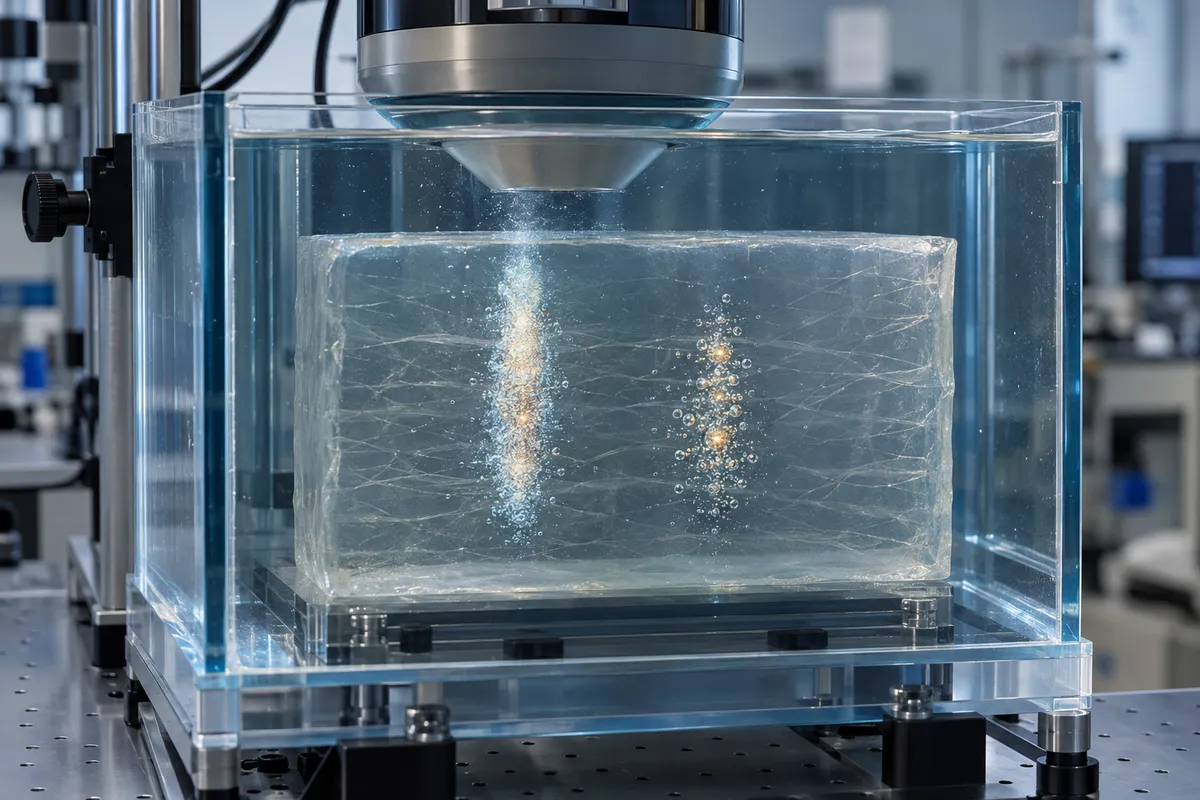
Two histotripsy treatments with the same 1% duty cycle can break down tough, fibrous material very differently. Here's why pulse timing matters.

March 1, 2025
Quantum navigation technology is emerging as a revolutionary alternative to GPS, using ultra-sensitive quantum sensors to detect magnetic fields, gravity, and movement with unprecedented precision. This article explores how it works, why it matters, and the challenges that remain before it can be widely adopted.